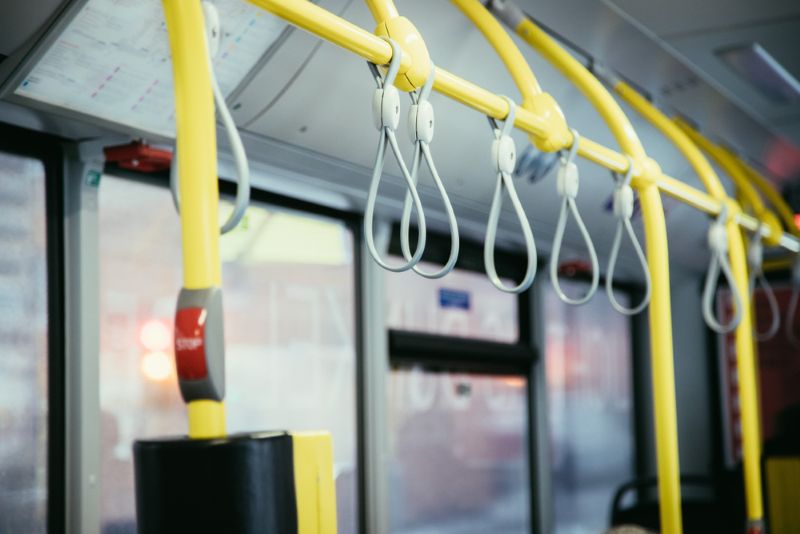
Public transportation plays an important role in helping New Jersey residents and visitors travel safely and efficiently. Every day, people rely on buses, trains, light rail systems, airport shuttles, and other forms of public transit to get to work, school, medical appointments, and countless other destinations.
While most trips occur without incident, accidents involving public transportation can and do happen. When they do, passengers often suffer serious injuries and are left wondering who may be responsible for their losses. Unlike a typical car accident, public transportation injury claims frequently involve government entities, private transportation companies, contractors, and other potentially liable parties.
If you have been injured while using public transportation in New Jersey, understanding your legal rights is an important first step toward pursuing compensation.
Public transportation encompasses a wide range of transportation services.
Common examples include:
Accidents involving public transportation may occur for many reasons, including operator negligence, mechanical failures, dangerous road conditions, or inadequate maintenance.
Because public transportation vehicles often carry numerous passengers, a single incident can result in multiple injuries.
Public transportation providers have a duty to operate their vehicles safely and take reasonable steps to protect passengers.
Unfortunately, accidents still occur due to factors such as:
In some cases, multiple factors contribute to a single accident, making liability more complicated.
Determining the cause of the incident is often one of the most important aspects of a personal injury claim.
Passengers frequently have limited ability to protect themselves during a crash.
As a result, public transportation accidents can cause significant injuries, including:
Even accidents that occur at relatively low speeds can result in serious harm, particularly when passengers are standing or moving throughout the vehicle.
One of the most common questions injured passengers ask is who can be held responsible for their injuries.
The answer depends on the circumstances of the accident.
Potentially liable parties may include:
Because public transportation claims often involve multiple parties, a thorough investigation is necessary to identify every source of potential compensation.
Many public transportation systems in New Jersey are operated by government agencies or public authorities.
For example, a public transit agency may be liable if:
Government-related claims often involve special rules and deadlines that differ from ordinary personal injury cases.
Because these requirements can affect a person's ability to pursue compensation, prompt action is often critical.
Public transportation operators are responsible for safely transporting passengers.
Examples of negligent conduct may include:
When an operator's actions contribute to an accident, both the operator and the transportation provider may potentially share liability.
Evidence such as onboard cameras, witness statements, and operational records often plays a key role in these cases.
Not every public transportation accident is caused by the transit provider.
In some situations, another motorist may be responsible.
Examples include:
When another vehicle causes the accident, the at-fault driver's insurance may become a primary source of compensation.
However, even in these situations, it is important to fully investigate all potentially responsible parties.
Some public transportation accidents occur because of mechanical problems rather than operator error.
Examples may include:
In these situations, liability may extend beyond the transportation provider.
Potentially responsible parties may include:
These cases often require technical investigations and expert analysis.
Individuals injured in public transportation accidents may be entitled to seek compensation for a variety of losses.
Potential damages include:
Compensation may cover:
Serious injuries may prevent a person from returning to work temporarily or permanently.
Victims may seek compensation for physical pain, emotional distress, and reduced quality of life.
Catastrophic injuries may require ongoing medical care and long-term financial support.
Every case is unique, and the damages available depend on the specific facts involved.
Public transportation injury cases are often more complicated than standard motor vehicle accident claims.
An attorney can help by:
At Mallon & Tranger, our attorneys help clients injured in New Jersey public transportation and bus accidents pursue the compensation they deserve.
Being injured while riding public transportation can leave victims facing significant medical expenses, lost wages, and uncertainty about the future. Fortunately, injured passengers may have legal options available when negligence contributes to an accident.
Because these claims often involve government agencies, private companies, and multiple insurance carriers, obtaining experienced legal guidance can be essential. A thorough investigation can help identify all responsible parties and maximize the compensation available.
If you have been injured in a public transportation accident in New Jersey, our attorneys are here to help. Call us today or connect with us online to schedule a consultation.