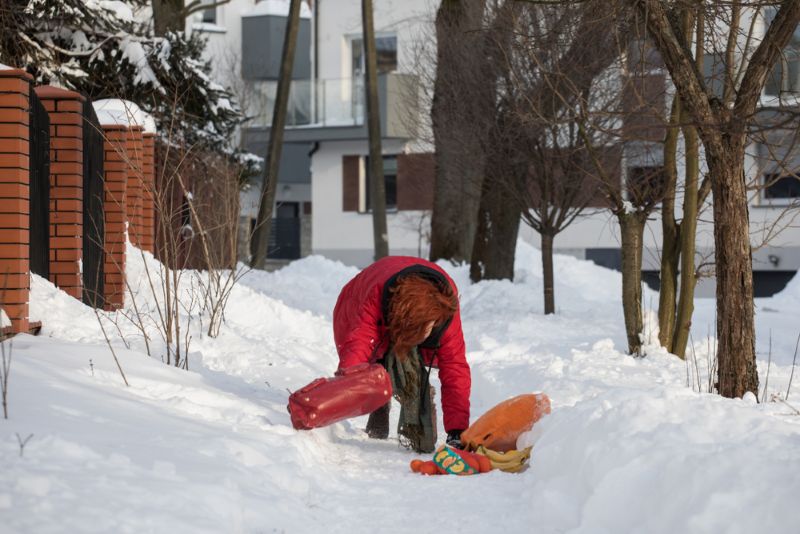
Slip and fall accidents are especially common during the winter months in New Jersey. Snow-covered walkways, icy parking lots, and hidden patches of black ice can quickly turn an ordinary trip to the store, work, or a friend’s home into a serious injury. After a fall, many people wonder whether the property owner is responsible or if slipping on snow or ice is simply considered an unavoidable winter risk.
In New Jersey, the answer depends on several factors. Property owners do have legal responsibilities when it comes to snow and ice, but liability is not automatic. Understanding how responsibility is determined can help injured victims know whether they may be entitled to compensation.
New Jersey law generally requires property owners to take reasonable steps to keep their premises safe for lawful visitors. This includes addressing hazardous conditions such as snow and ice when it is reasonable to do so.
However, property owners are not expected to prevent every possible accident. The legal standard is whether the owner acted reasonably under the circumstances, not whether the property was perfectly clear at all times.
Responsibility often depends on the type of property involved and how it is used.
One of the most important distinctions in snow and ice cases is whether the fall occurred on a commercial or residential property.
Commercial property owners, such as stores, restaurants, office buildings, and apartment complexes, generally have a higher duty of care. These properties invite the public onto the premises for business purposes, which means owners are expected to actively maintain safe conditions, even during winter weather.
Single-family homeowners, on the other hand, often have more limited responsibilities, especially for natural accumulations of snow and ice. Liability rules can differ depending on whether the injured person was a guest, delivery worker, or someone using a public sidewalk.
Because these distinctions are fact-specific, the details of where and how the fall occurred matter a great deal.
Property owners are usually given a reasonable amount of time to remove snow and ice after a storm ends. They are not typically required to clear surfaces while snow is actively falling, but once conditions allow, they are expected to take action.
What is considered reasonable can depend on factors such as:
For example, a business that opens to the public shortly after a storm may be expected to clear entrances, sidewalks, and parking areas before allowing customers inside.
Many winter slip and fall cases involve ice rather than snow. Black ice, in particular, is dangerous because it is often difficult or impossible to see.
Property owners may still be held responsible for black ice falls if they knew or should have known about the condition and failed to take reasonable steps to address it. This might include salting known problem areas, repairing drainage issues, or warning visitors about hazardous conditions.
That said, not every black ice fall automatically results in liability. Courts often look at whether the condition was foreseeable and whether the property owner took reasonable precautions.
Winter slip and fall accidents frequently happen in areas where foot traffic is expected and where snow and ice are most likely to accumulate.
Common locations include:
Falls in these areas are often taken more seriously because property owners know people are likely to walk there and are expected to monitor conditions closely.
To recover compensation in a snow or ice slip and fall case, an injured person generally must show that the property owner was negligent. This usually means proving that the owner knew or should have known about the dangerous condition and failed to address it within a reasonable time.
Evidence that can be important in these cases includes photographs of the scene, witness statements, weather reports, maintenance records, and surveillance footage. Medical records linking the fall to the injury are also critical.
Insurance companies often argue that the hazard was open and obvious or that the injured person should have been more careful. These arguments are common and do not necessarily mean a claim lacks merit.
Many people assume that if they were walking carefully, wearing appropriate footwear, or paying attention, they cannot bring a claim. In reality, being cautious does not prevent an injury from occurring, especially when ice is involved.
New Jersey follows a comparative negligence system. This means an injured person can still recover compensation even if they are partially at fault, as long as they are not more responsible than the property owner. Any compensation may be reduced based on the percentage of fault assigned.
Winter slip and fall accidents often result in more severe injuries than people expect. Hard, frozen ground increases the risk of fractures, head injuries, and back or spinal damage.
Common injuries include broken wrists or ankles, hip fractures, concussions, and torn ligaments. These injuries can require surgery, physical therapy, and time away from work, leading to significant financial strain.
Because symptoms do not always appear immediately, seeking medical attention promptly is important for both health and legal reasons.
Snow and ice slip and fall cases can be challenging. Property owners and insurance companies often argue that winter conditions are unavoidable or that they acted reasonably. Proving otherwise requires careful investigation and knowledge of New Jersey premises liability law.
Legal guidance can help determine whether a property owner may be responsible, gather evidence before it disappears, and pursue compensation for medical bills, lost wages, and pain and suffering.
If you were injured after slipping on snow or ice, it is important to document what happened and understand your options. Waiting too long or assuming you have no claim can make recovery more difficult.
Mallon & Tranger represents injured victims in Freehold, Point Pleasant, and throughout New Jersey who have been hurt in slip and fall accidents. If you were injured on someone else’s property during winter conditions and have questions about responsibility or compensation, learning your legal options can be an important step toward protecting your recovery and your future.